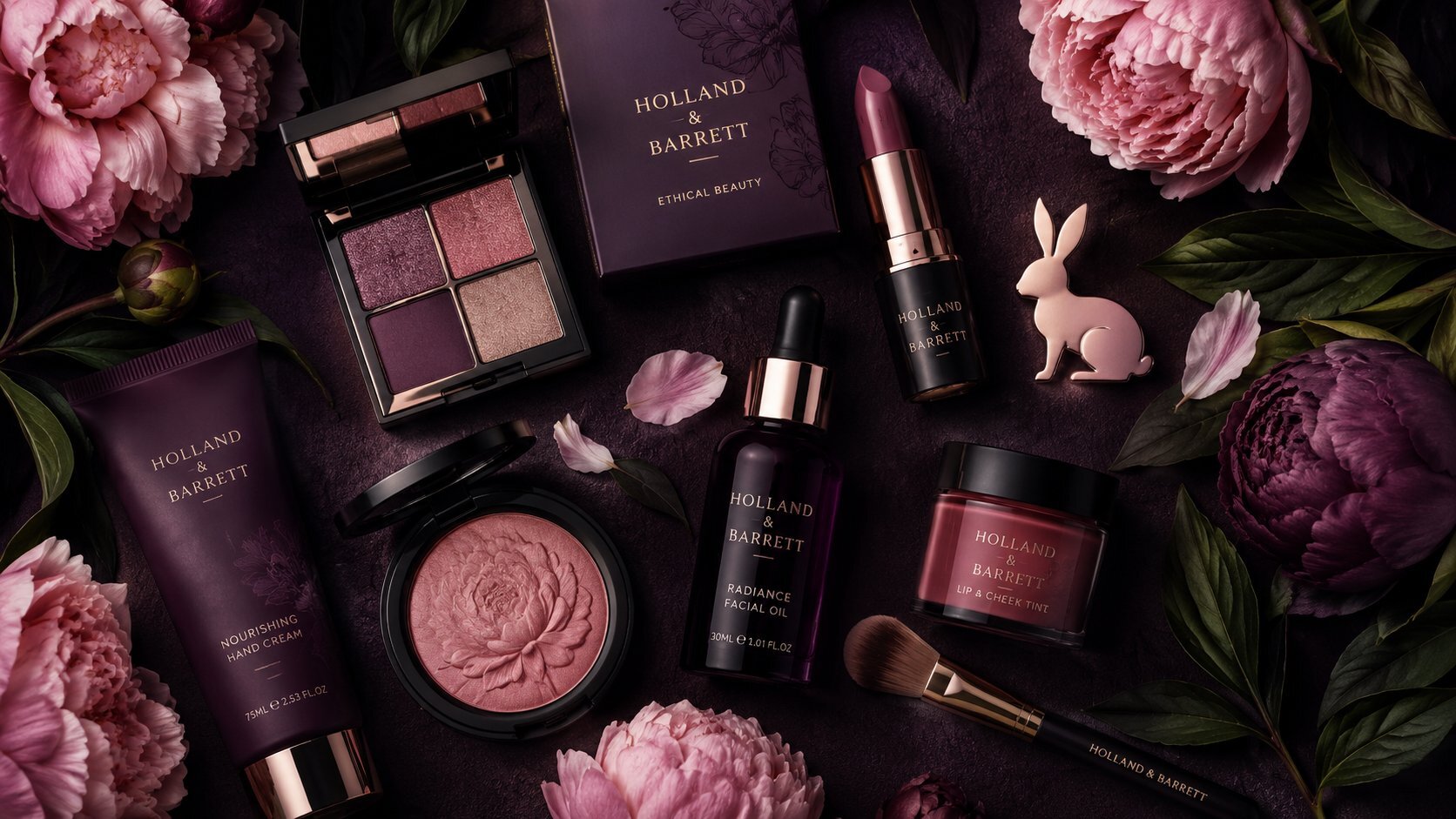
The cruelty-free beauty movement has gone from niche to mainstream. In 2026, consumers aren't just asking if a product works — they're asking how it was made and whether any animals were harmed in the process.
What Does Cruelty-Free Actually Mean?
A cruelty-free product is one that was developed without testing on animals at any stage — from raw ingredients to finished formulas. This includes the brand itself and any third-party manufacturers they work with. Look for Leaping Bunny or PETA certifications for the most reliable verification.
Cruelty-Free vs. Vegan — What's the Difference?
Cruelty-free means no animal testing. Vegan means no animal-derived ingredients (like beeswax, carmine, or lanolin). A product can be cruelty-free but not vegan, and vice versa. Many brands are now offering both.
Does Cruelty-Free Mean Lower Quality?
Absolutely not. Advances in cosmetic science mean cruelty-free formulas perform just as well — often better — than their traditionally tested counterparts. Brands manufacturing in FDA-registered facilities follow strict quality protocols regardless of animal testing policies.
Building a Cruelty-Free Routine
Start by swapping one product at a time. Lips are the easiest starting point — lip oils, glosses, and lipsticks from cruelty-free brands are widely available and affordable. Then move to eyes and face products as you finish your current ones.
At LUMAVEIL, every product in our collection is cruelty-free. We curate from brands that share our commitment to quality without compromise.