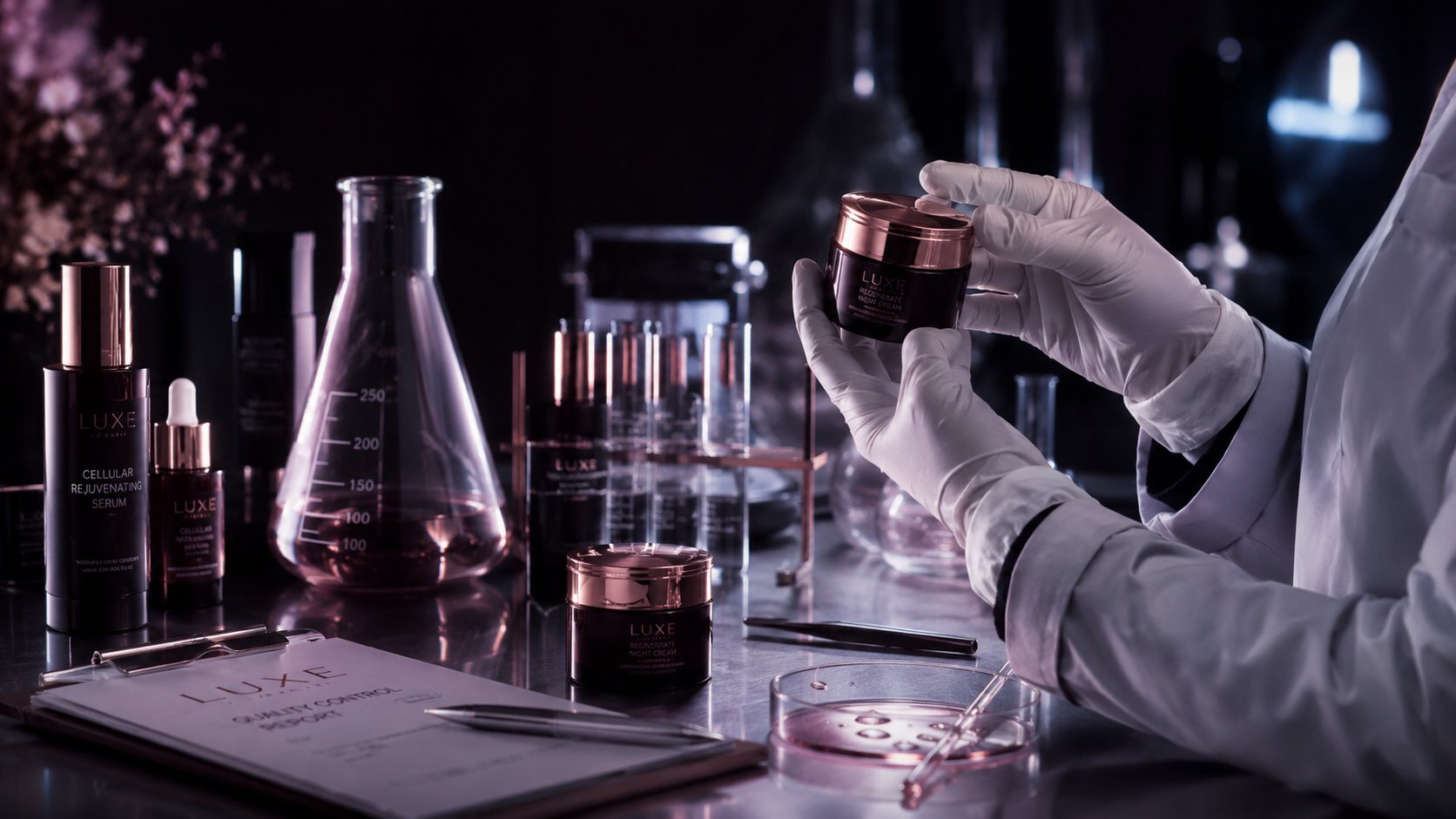
You've seen the claims: "FDA-approved," "FDA-registered," "FDA-certified." But what do these terms actually mean for the cosmetics on your bathroom shelf? The differences matter more than you think.
FDA-Registered vs. FDA-Approved
Here's the critical distinction: the FDA does not approve cosmetics before they go to market. Unlike drugs, cosmetics don't need pre-market FDA approval. However, cosmetic manufacturing facilities CAN register voluntarily with the FDA — and this registration matters.
What Registration Means
When a facility is FDA-registered, it means they've voluntarily submitted their location and product information to the FDA's database (VCRP — Voluntary Cosmetic Registration Program). While registration doesn't equal approval, it signals that the manufacturer is transparent about their operations and willing to be on the FDA's radar.
Why It Matters to You
An FDA-registered facility is more likely to follow Good Manufacturing Practices (GMPs), maintain clean production environments, and use ingredients that meet safety standards. It's a trust signal — not a guarantee, but a meaningful indicator of quality.
What to Look For
When shopping for cosmetics, look for brands that transparently disclose their manufacturing practices. Claims about FDA registration should reference the manufacturing facility, not just the brand itself. At LUMAVEIL, every product we curate comes from FDA-registered manufacturing facilities.